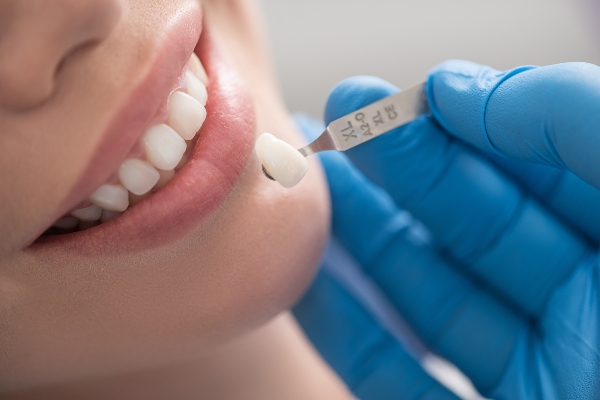
 In general dentistry, dental crowns are used for a variety of reasons. Crowns are extremely flexible and can be used for cosmetic and restorative means. Whether to fix a damaged tooth or cover up a flawed one, a dental crown has many helpful and beneficial uses.
Information about dental crowns
A crown is a cap, usually made of porcelain or gold, that can be matched to the color of the natural teeth. This cap is placed over a tooth to protect and strengthen it. A dental crown is fabricated in a lab, so the placement of one often takes two dental visits.
During the first visit, the dentist fixes the dental issue and then determines if the tooth is strong enough to support a crown. If so, the tooth is prepped and then an impression is taken of the teeth. This mold is sent to the lab for the design of the crown. At the end of this visit, the dentist places a temporary crown to prevent damage and discomfort. At the second visit, the permanent crown is placed and fitted. If taken care of properly, a crown can last for many years.
Uses for crowns in general dentistry
Dental crowns are commonly used to fix the appearance of the tooth while providing strength. A number of situations call for the use of a crown.
Cracked or fractured tooth
A badly cracked or broken tooth makes it easier for bacteria to enter, and it can expose the nerves, which increases the chances of decay and pain. It also reduces the tooth's strength and stability. A crown covers up the tooth to prevent infection and further damage. A crown also renews the tooth's functionality.
Large cavities
In general dentistry, a filling is usually adequate for a small- to medium-sized cavity. However, if the decay affects a large portion of the tooth, a filling may be insufficient. For large areas of decay, a crown is usually used. After the dentist removes the damaged portion of the tooth, a crown is placed on top to protect it.
Root canal
A root canal removes infected material from the inside of a tooth, which generally weakens the structure of the tooth. A crown prevents further infection and adds stabilization to the tooth.
Discolored or misshapen tooth
A crown can be used if a patient is not happy with how a tooth looks due to intrinsic staining or a cosmetic defect. The dental crown is placed over the tooth to give it a more uniform appearance.
Implants
Dental implants are a popular teeth replacement method because they function and look like real teeth. Rods, which act as the teeth roots, are placed into the jaw to provide stabilization. Crowns are then attached on top and act as the artificial teeth.
Conclusion
There are many circumstances in which dental crowns are used in general dentistry. A dentist will often recommend one to protect a damaged tooth.
Request an appointment or call Ascot Family Dental at 916-839-3039 for an appointment in our Roseville office.
Related Posts
A general dentist focuses on both treating and preventing common oral health concerns such as tooth decay and gum disease. Maintaining healthy gums and teeth plays a key role in overall wellness and can help prevent more serious dental problems over time. Following consistent oral hygiene habits and receiving routine care from a general dentist…
A general dentist helps to restore decayed or damaged teeth with several tooth filling options. Additionally, these fillings help protect the restored tooth, improving its shape and function. Choosing the right filling depends on the location of the tooth, the size of the cavity, and patient preference.Fillings are a simple way to protect a tooth…
Preventive dental care is the cornerstone to maintaining overall oral health, and a general dentist plays an essential role in ensuring that individuals adopt effective habits catered to their specific needs. Preventive dental care involves measures aimed at stopping oral health problems before they occur, as well as addressing early signs of issues before they…