8 Benefits of Dental Implants Compared With Traditional Dentures
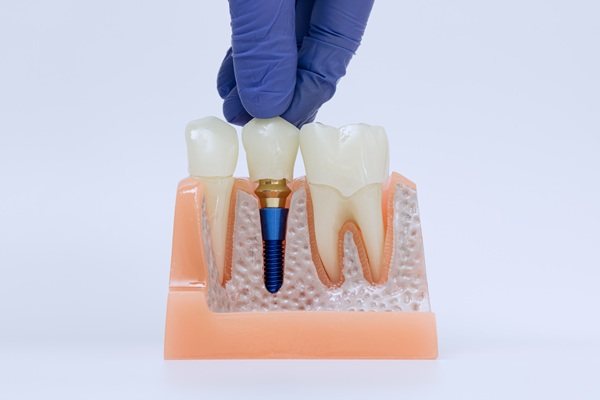
Dental implants provide a fixed tooth replacement option for individuals seeking to restore chewing ability, speech, and the appearance of their smile after tooth loss. Traditional dentures can effectively replace missing teeth, but removable appliances often require adjustments as the gums and jawbone change. Understanding these eight differences between each option can help patients explore a solution that supports their oral health goals.
1. Dental implants support the jawbone
Natural tooth roots stimulate the jawbone during chewing, which helps the bone maintain its shape and density. When teeth are missing, the bone beneath the gums can gradually lose volume because it no longer receives the stimulation it once did. Dental implants replace tooth roots with biocompatible posts that integrate with the jawbone and support the surrounding structures. Traditional dentures rest on the gums and do not provide the same direct stimulation to the bone.
2. They provide greater stability
While traditional dentures are a viable tooth replacement solution, they can shift during meals, conversations, or laughter, especially when the fit changes over time. Denture adhesive may help some appliances remain in place, but it does not eliminate movement for every patient. Dental implants, on the other hand, anchor replacement teeth directly to the jaw, allowing the restoration to remain more stable during everyday activities. This secure support can help patients feel more comfortable when speaking, smiling, and eating.
3. They improve chewing ability
A secure tooth replacement can make it easier to chew foods that require more biting force. Traditional dentures may limit food choices because hard, crunchy, sticky, or chewy foods can dislodge the appliance or create discomfort. Dental implants support a stronger bite and can help patients enjoy a wider range of foods. Better chewing can also support a more balanced diet that includes fruits, vegetables, proteins, and other nutrient-rich options.
4. Dental implants support clearer speech
It goes without saying that teeth play an important role in producing certain speech sounds. Traditional dentures can move slightly or feel bulky, which can sometimes affect pronunciation as patients adjust to the appliance. Implant-supported teeth remain stable and allow the tongue to move more naturally around the teeth. This stability can make speech feel more predictable and comfortable during daily conversations.
5. They offer a natural-looking result
Dental implants can support crowns, bridges, or implant-supported dentures that match the color, size, and shape of nearby teeth. The dentist works with an off-site dental laboratory to fabricate restorations that blend with the overall appearance of the smile. Traditional dentures can also look natural, but the appliance may require periodic adjustments as the gums and jaw change. Dental implants provide a fixed foundation that helps maintain the planned fit and appearance.
6. They do not require removal for cleaning
Traditional dentures require daily removal for cleaning and overnight storage. Patients also need to clean the gums, tongue, and remaining natural teeth before placing the appliance back into the mouth. Dental implants allow for a routine that closely resembles natural tooth care, including brushing and flossing around the restoration. Regular dental visits remain important because the gums and bone around dental implants require consistent professional monitoring.
7. They protect nearby natural teeth
A traditional dental bridge often relies on neighboring teeth for support. The dentist must reshape those teeth so they can hold crowns that anchor the bridge in place. Dental implants stand independently within the jawbone, which can preserve healthy teeth beside the missing space. This approach can help maintain more natural tooth structure when a patient qualifies for implant treatment.
8. They can provide long-term value
Dental implants require an initial investment of time and planning, but they can provide durable support with consistent oral hygiene and professional care. Traditional dentures often need relining, repair, or replacement as the mouth changes. Implant-supported restorations may also require maintenance, but their secure foundation can reduce concerns about shifting and a loose fit. A dentist can explain the expected maintenance needs for each treatment option before care begins.
Choosing between dental implants and dentures
Dentures remain a practical option for many people, especially when a removable treatment better fits their health needs, timeline, or budget. Dental implants can offer greater stability and jawbone support for qualified candidates, but treatment requires adequate bone, healthy gums, and a comprehensive evaluation. Some patients also benefit from implant-supported dentures, which combine a removable appliance with the stability of dental implants. Of course, a personalized consultation helps us recommend a treatment plan based on the condition of the mouth and the desired outcome.
Schedule an appointment
Dental implants offer several advantages over traditional dentures, including stronger chewing support, improved stability, and a more natural daily routine. Still, traditional dentures remain an effective tooth-replacement option, while implant treatment can provide additional support for patients who qualify. Call our office for more information or to schedule an appointment.
Request an appointment here: https://www.ascotfamilydental.com or call Ascot Family Dental at (916) 839-3039 for an appointment in our Roseville office.
Check out what others are saying about our dental services on Yelp: Dental Implants in Roseville, CA.
Related Posts
Choosing a family dentist as your next dental provider is one of the best decisions you can make for every family member. However, there are multiple factors to take into account when asking questions. Here are a few potential questions to consider when searching for a family dentist.Most feel comfortable starting with questions about their…
Dental cleanings from a general dentist are a routine part of oral care for anyone who wants a healthy, beautiful smile. Typically, they are most effective when done at least every six months. To better understand why dentists recommend cleanings so frequently, it can help to learn the process and benefits of these preventive dental…
While a bright, white smile is a sign of health and youth, teeth naturally change color for various reasons, making them appear dull or yellow. Fortunately, teeth whitening is an effective and popular way to boost their brightness and confidence. Some stains are only on the surface, while others develop within the tooth structure itself.…
Most patients know they should visit their family dentist every six months for a checkup. It is not recommended to skip these biannual checkups, even if you have great oral health. Dentists provide not only restorative treatments to correct oral health conditions but also preventive treatments to help patients avoid those conditions in the first…