The Clear Aligners Process From A to Z
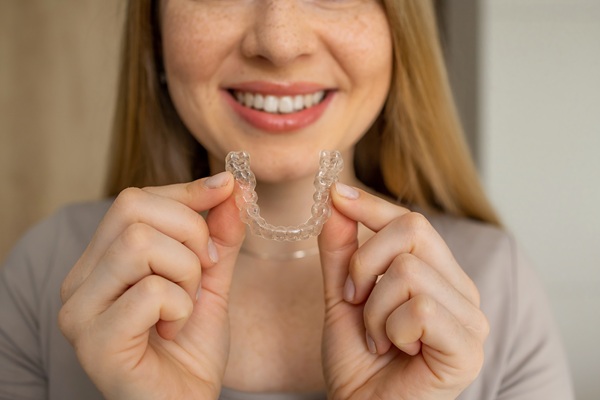
Embarking on the journey to a straighter smile has never been easier, thanks to clear aligners. Clear aligners offer a discreet and convenient alternative to traditional braces, making orthodontic treatment more accessible for adults and teens. Understanding the clear aligners process from start to finish can help patients feel more confident and prepared for their treatment.
Initial consultation
The first step in the clear aligners process is scheduling an initial consultation with a dentist or orthodontist who offers this treatment. During this appointment, the dental professional will assess the patient's oral health, discuss their aesthetic goals, and determine if clear aligners are appropriate for their orthodontic needs. Conditions such as overcrowding, gaps, overbites, underbites, and crossbites can often be effectively treated with clear aligners.
Comprehensive dental examination
A thorough dental examination is essential to identify any underlying issues before beginning treatment with clear aligners. This examination typically includes X-rays, photographs, and a full assessment of the teeth and gums. Addressing cavities, gum disease, or other dental problems beforehand ensures that the treatment proceeds smoothly and reduces the risk of complications.
Digital impressions and treatment planning
The next phase involves creating a precise digital model of the patient's teeth. Advanced 3D imaging technology captures detailed impressions, eliminating the need for traditional messy molds. These digital impressions allow for accurate planning of the movement of each tooth throughout the treatment. The dentist will use specialized software to design a customized treatment plan, mapping out the gradual progression that the clear aligners will facilitate.
Fabrication of custom aligners
After the treatment plan is approved, the custom clear aligners use high-quality, medical-grade plastic. Each set of aligners applies a specific amount of force to the teeth, gradually guiding them into the desired positions. The number of aligners required varies depending on the case's complexity, but patients typically receive several sets to wear throughout their treatment.
Wearing the aligners
Patients must wear their clear aligners for 20 to 22 hours daily, removing them only for eating, drinking (except for water), brushing, and flossing. The patient will wear each set of aligners for approximately one to two weeks before progressing to the next set in the series. Consistent wear is essential for achieving optimal results within the projected timeline.
Monitoring progress and regular check-ups
Regular dental check-ups are necessary every six to eight weeks to monitor the patient's progress and ensure the teeth move as planned. These appointments are typically brief and involve assessing the fit of the aligners and addressing any patient concerns. The dentist can adjust the treatment plan to accommodate changes or optimize results if necessary.
Finishing treatment
The active phase of treatment concludes after completing the final set of aligners. Next, the dentist will evaluate the results to ensure the aligners meet all the necessary treatment goals. At this point, patients can enjoy the benefits of a straighter, more confident smile. Any minor adjustments needed can be addressed with refinement aligners if necessary.
Retention phase
Patients will transition to wearing retainers to maintain the new alignment of the teeth. Retainers are crucial in preventing teeth from shifting back to their original positions. The dentist will provide guidance on how often the retainers should be worn, which is typically full-time initially and then gradually reduced to nighttime wear. Retainers can be similar in appearance to clear aligners or may differ depending on the patient's needs.
Get a clear aligners consult today
By fully understanding the clear aligners process and following all recommended guidelines, patients can help ensure a successful outcome. Maintaining excellent oral hygiene, wearing each set of aligners as instructed, and attending regular check-ups allow the teeth to move predictably according to the treatment plan. Patients who invest time and effort into caring for their aligners, as well as their overall oral health, often enjoy faster results and fewer complications. Clear aligners provide a precise, personalized approach to orthodontic treatment, and with the guidance of a qualified dental professional, patients can gain a healthy, beautiful smile that lasts long-term, predictably.
The clear aligners process offers a modern, flexible approach to orthodontic treatment. Clear aligners effectively solve many orthodontic concerns while fitting seamlessly into a patient's lifestyle. Consulting with a dental professional can help determine if clear aligners are the right choice for achieving one's oral health and aesthetic goals. For more information, schedule a consultation visit today at Ascot Family Dental.
To schedule a consultation, request an appointment on our website at https://www.ascotfamilydental.com or call Ascot Family Dental at (916) 839-3039 for an appointment in our Roseville office.
Check out what others are saying about our dental services on Yelp: Clear Aligners in Roseville, CA.
Related Posts
Traveling presents many exciting opportunities, but an unexpected dental emergency can quickly disrupt plans. Finding an emergency dentist in an unfamiliar location requires prompt action to prevent further complications. Whether experiencing severe pain, a broken tooth, or another urgent issue, knowing how to seek immediate dental care while vacationing promotes better oral health outcomes. It…
When sudden dental issues arise, visiting an emergency dentist is the best course of action for immediate treatment. Ignoring oral pain or trauma can lead to more serious complications, making immediate treatment essential. Whether caused by injury, infection, or a lost restoration, certain dental emergencies require prompt care to relieve discomfort and protect oral health.…
A dental emergency can happen at any time. Fortunately, an emergency dentist provides immediate treatment to alleviate pain, prevent potential complications, and restore oral health. Delaying treatment can lead to further damage, making it essential to address issues as soon as they occur. Below are five reasons to visit an emergency dentist.Persistent or intense tooth…
Gum disease treatment plays a powerful role in restoring oral health and protecting the foundation of the teeth. When plaque and tartar accumulate along the gumline, the supporting tissues begin to weaken, leading to bleeding, swelling, and eventually bone loss. Left unaddressed, gum disease increases the risk of tooth loss and can affect overall health.…